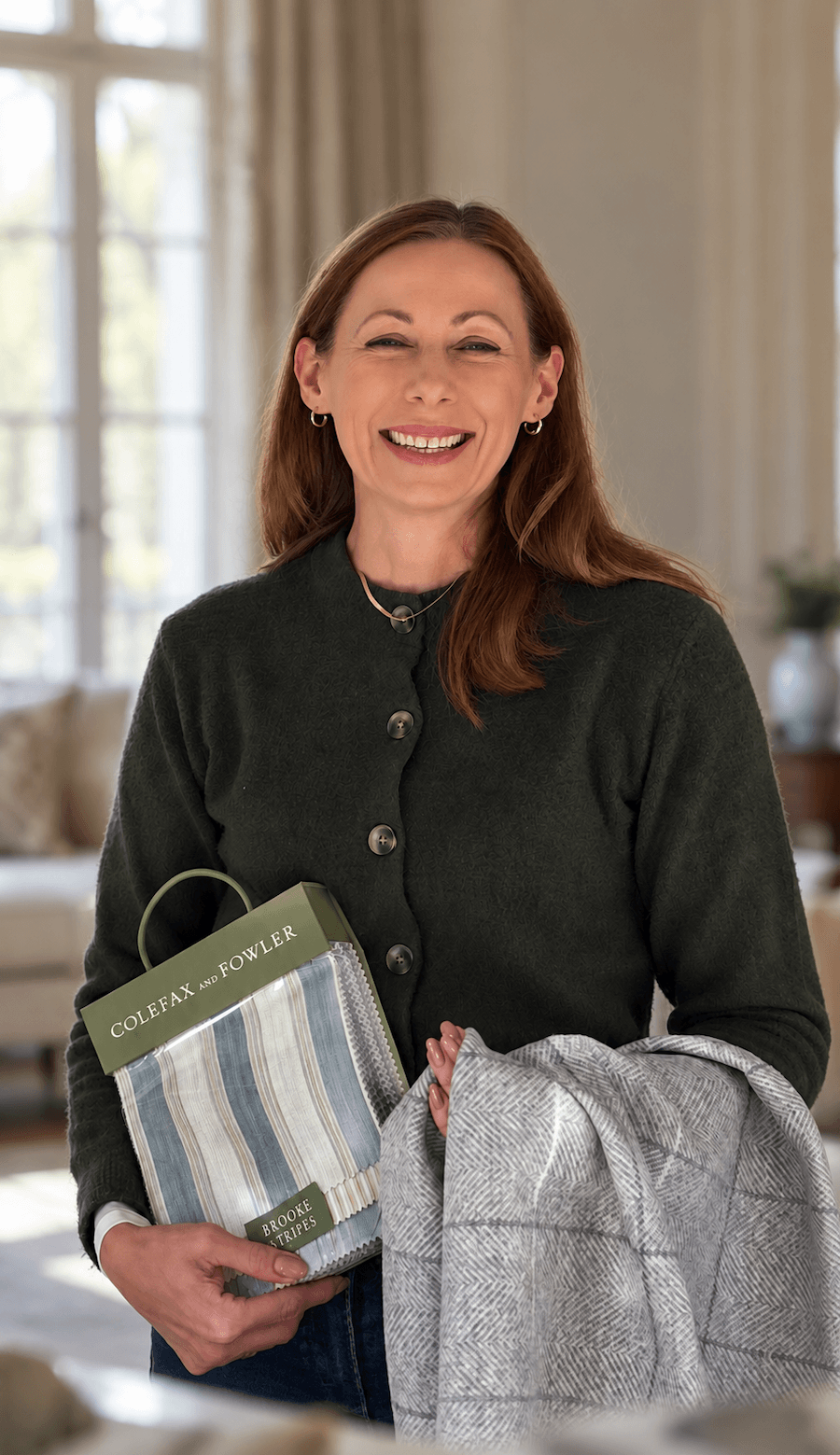
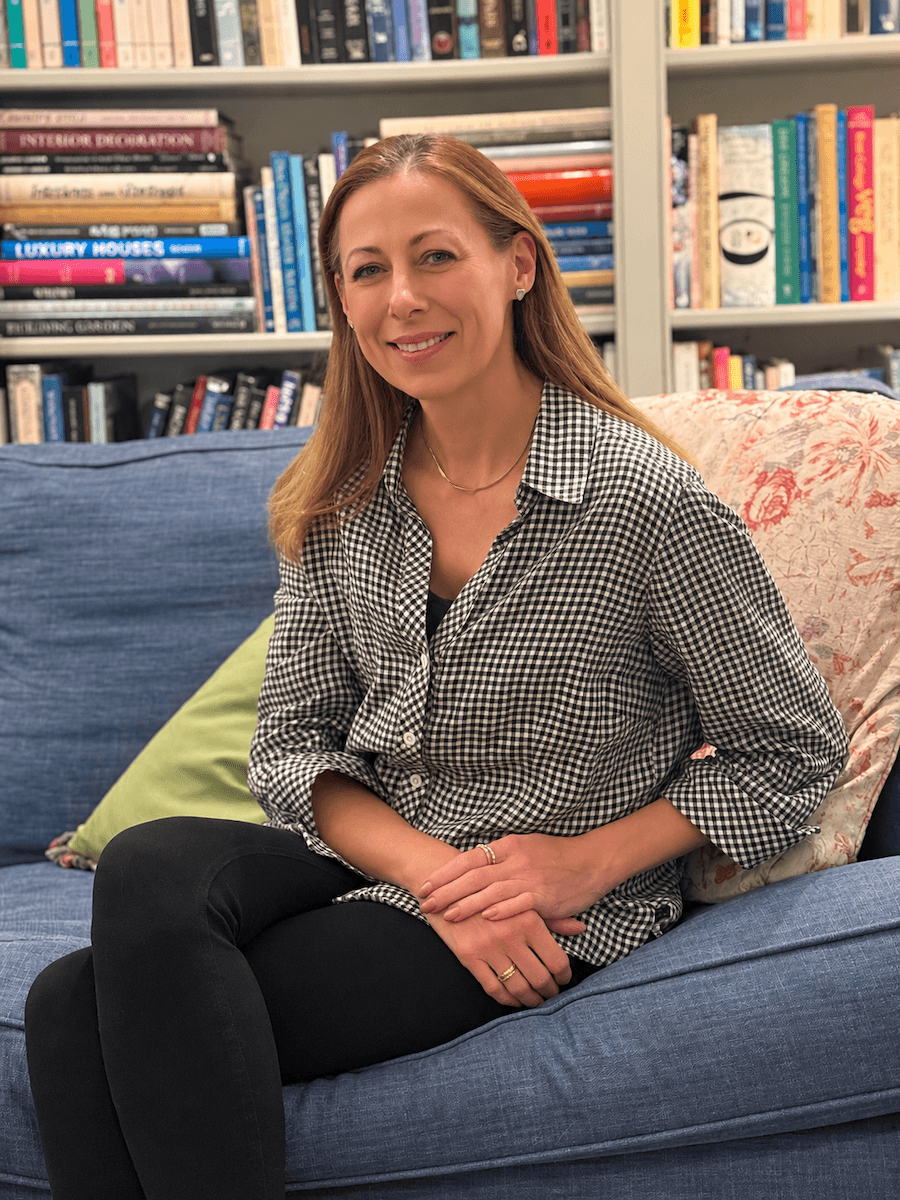
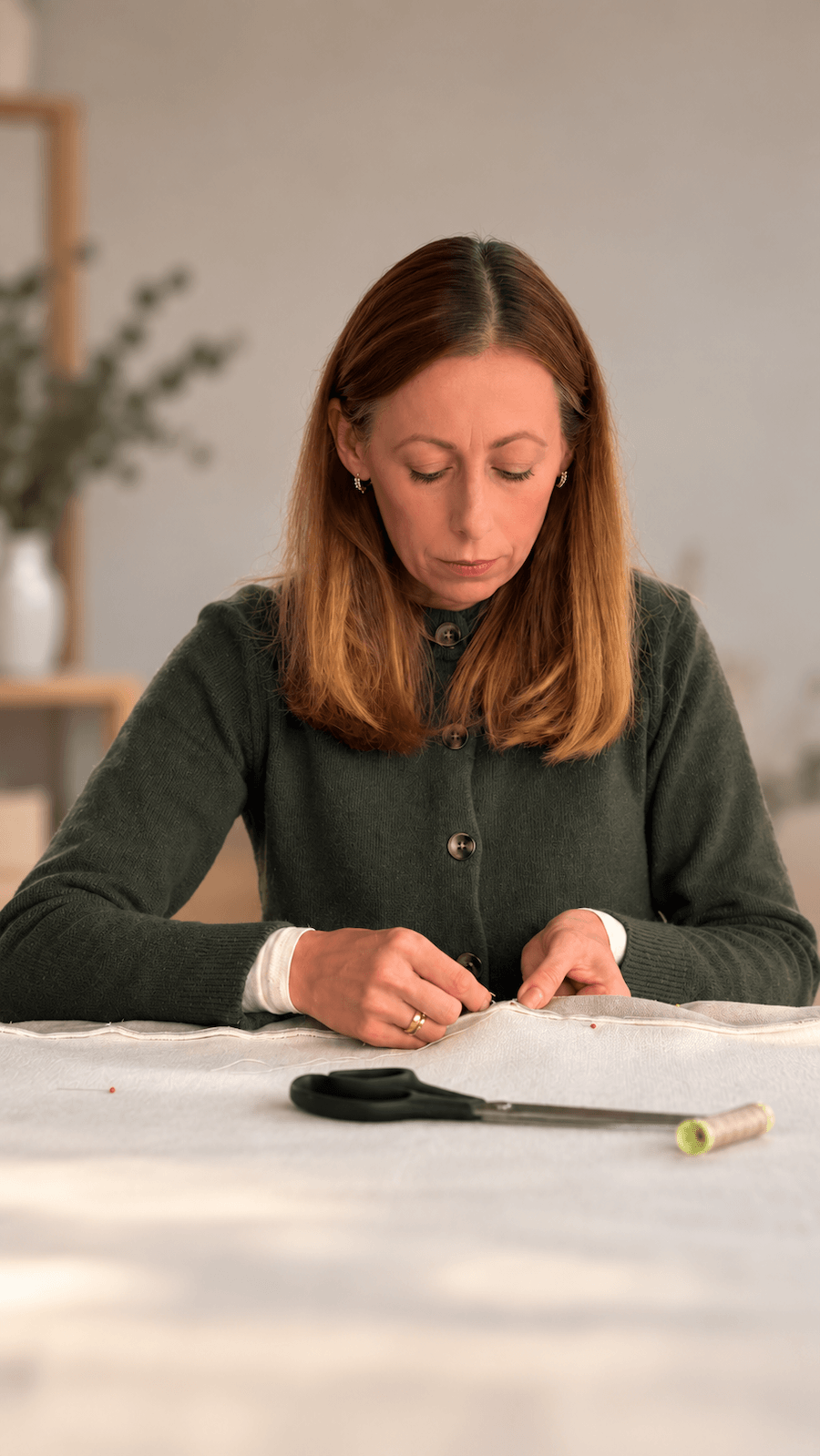
How childhood lessons in sewing, a lifelong appreciation of heritage homes and a belief in traditional craftsmanship inspired the creation of Cloth & Elm, a new bespoke soft furnishings studio in Castle Eaton.
Some skills stay with us for a lifetime.
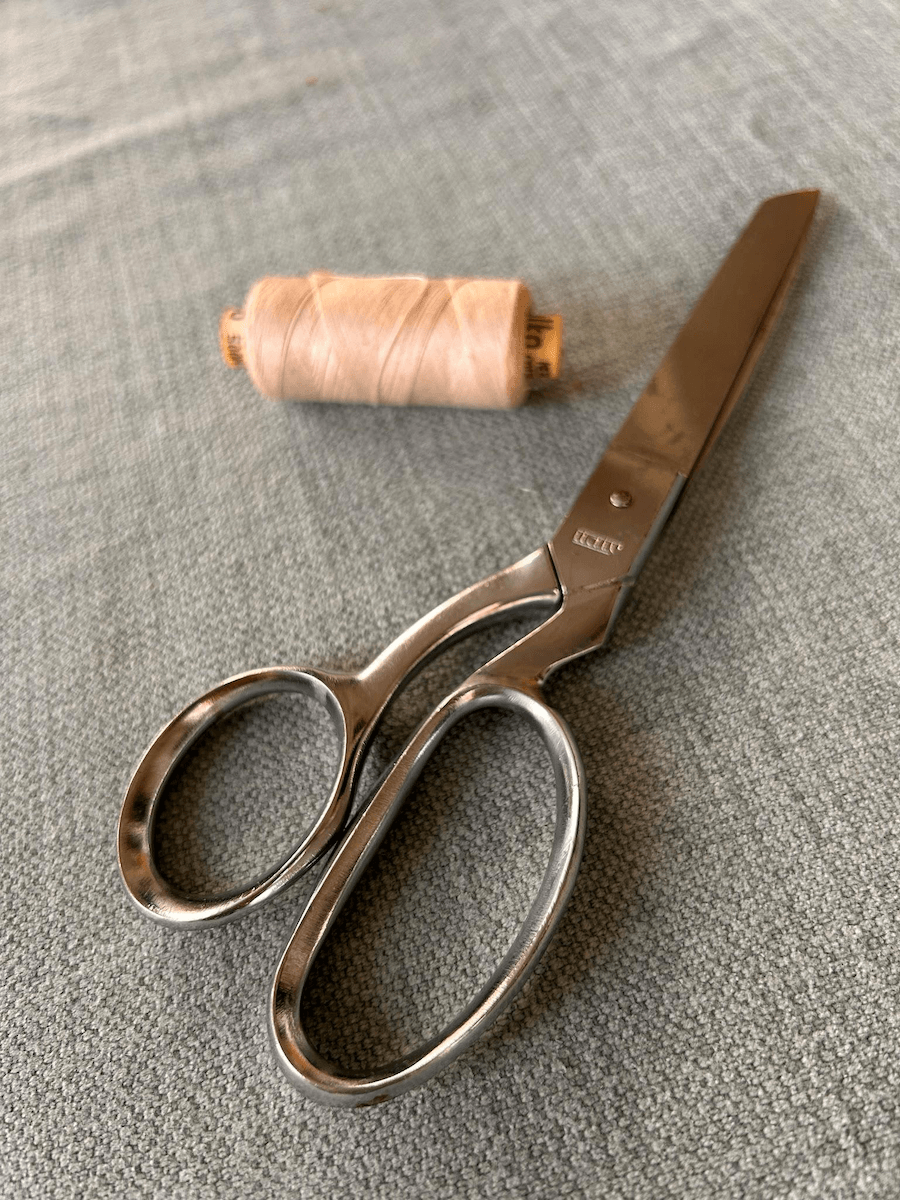
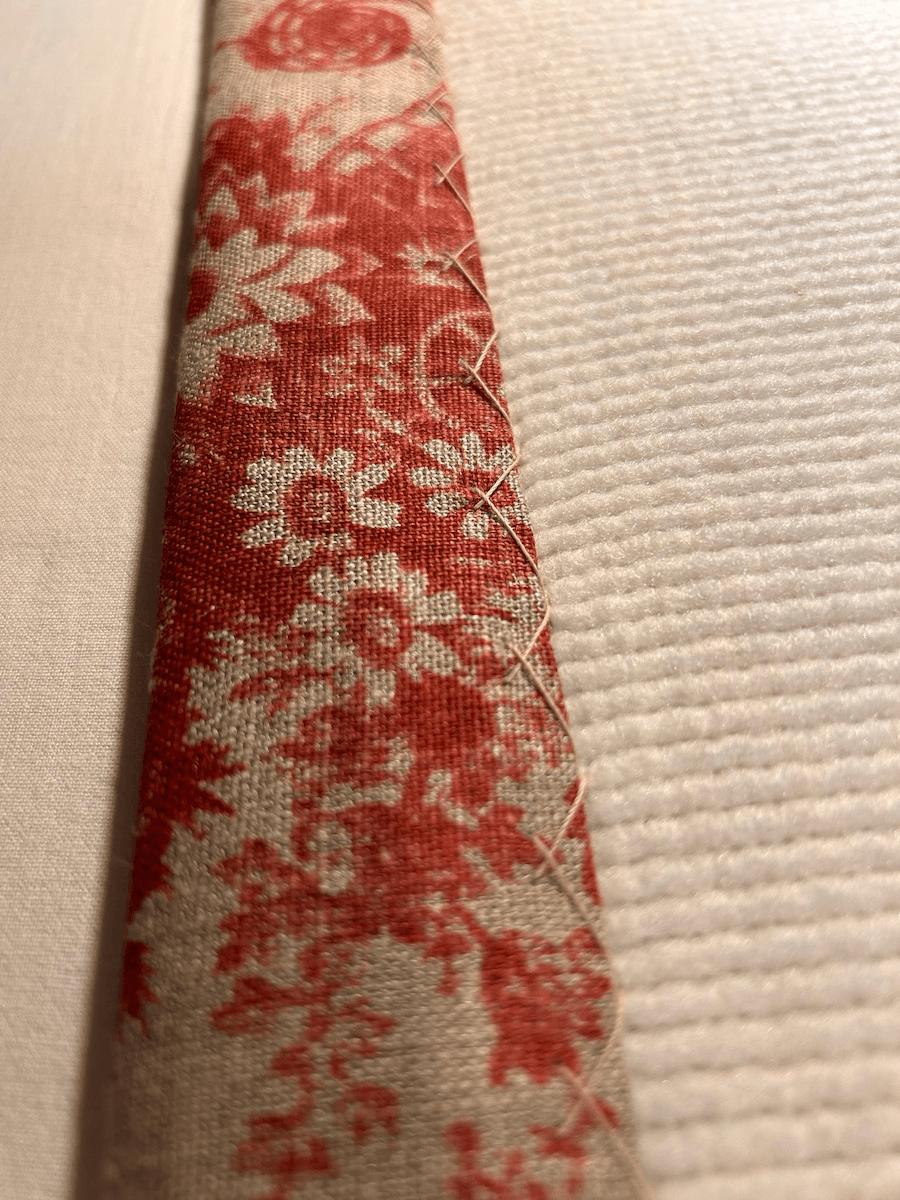
For Roxanne, founder of the newly established Cloth & Elm studio in Castle Eaton, the foundations of her craft were laid many years ago, sitting alongside her grandmother, a skilled seamstress who patiently taught her the delicate arts of embroidery, knitting and hand stitching.
It was the beginning of a love of fabrics and sewing that would eventually shape her professional life. And although many years have passed, those early lessons remain part of her work today.
“I still tie my threads in the way my grandmother taught me, and use the careful stitches she so patiently showed me. They’re small details, but they mean a great deal to me. I love that those skills have stayed with me and are still part of everything I make.”
Her interest in beautiful interiors was nurtured at home, where her parents’ appreciation of antiques and furnishings encouraged a lasting affection for older properties and the individuality they possess.
Surrounded by an appreciation of craftsmanship, history and the character of traditional interiors, Roxanne developed a particular interest in the way fabrics and furnishings can transform a room.
That passion continued through her studies in textiles, followed by a professional diploma in soft furnishings. At just 18, she established her first business, putting her training and creative instincts into practice.
Later, she stepped away from professional making for 15 years to raise her children. But her interest in design, fabrics and traditional sewing techniques never disappeared.
Now, at 48, she is returning to the craft with the establishment of Cloth & Elm, a studio specialising in bespoke curtains, blinds and soft furnishings, based in Castle Eaton, serving clients across the Cotswolds, Wiltshire and Hampshire.
For Roxanne, it feels like a natural continuation of a passion that began in childhood.
A love of homes with character
The Cotswolds, with its historic houses, elegant Georgian architecture and characterful stone cottages, provides a particularly fitting setting for Roxanne’s work.
Her affection for period properties lies not simply in their appearance, but in the individuality of their architecture and the challenge of creating furnishings that feel entirely at home within them.
From tall sash windows and deep stone reveals to irregular proportions and centuries-old walls, older buildings often call for a more considered approach.
“I’ve always loved the character of period homes. No two are quite the same, and I think that’s what makes them so special. A beautifully dressed window can change the whole feeling of a room, bringing softness, warmth and personality while respecting the building itself.
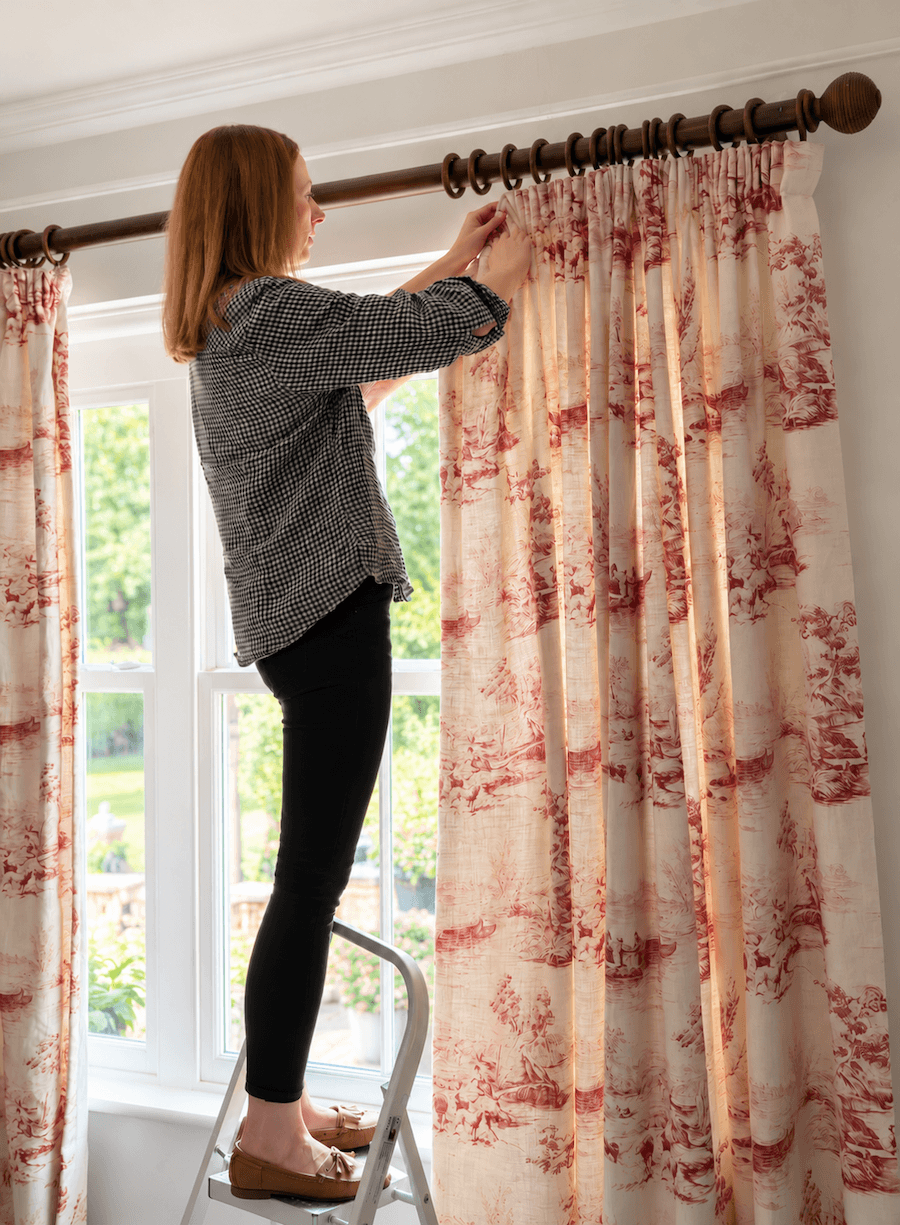
“To me, curtains aren’t simply something to cover a window. They’re an opportunity to add a personal and considered layer to an interior, bringing together the fabrics, colours and furnishings that make a house feel like a home.”
This philosophy sits at the heart of Cloth & Elm, where every commission is approached individually, with consideration given to the proportions of the room, the character of the property and the way the homeowner wishes to live.
The beauty of traditional craftsmanship
In an age when ready-made furnishings and mass-produced interiors are readily available, Roxanne remains committed to the traditional techniques she first learned and later developed through professional training.
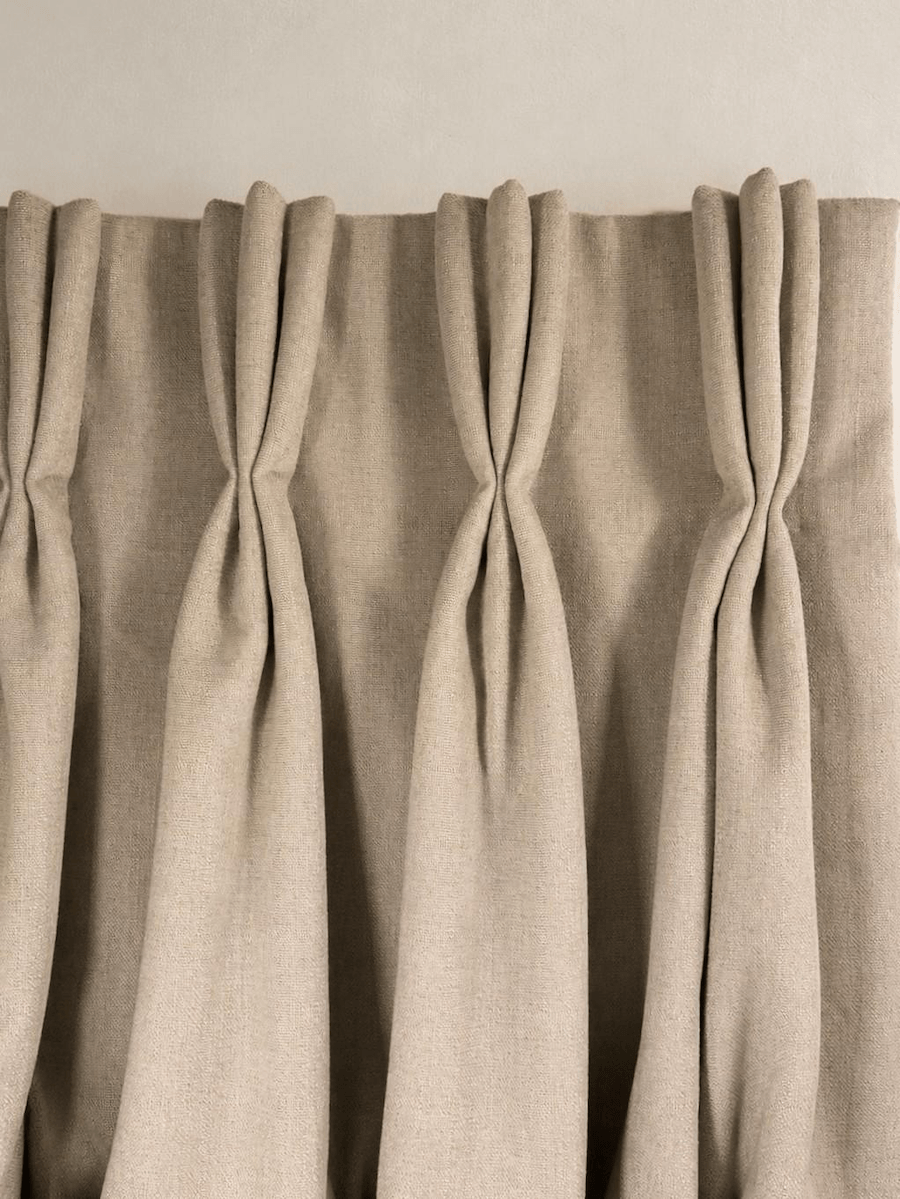
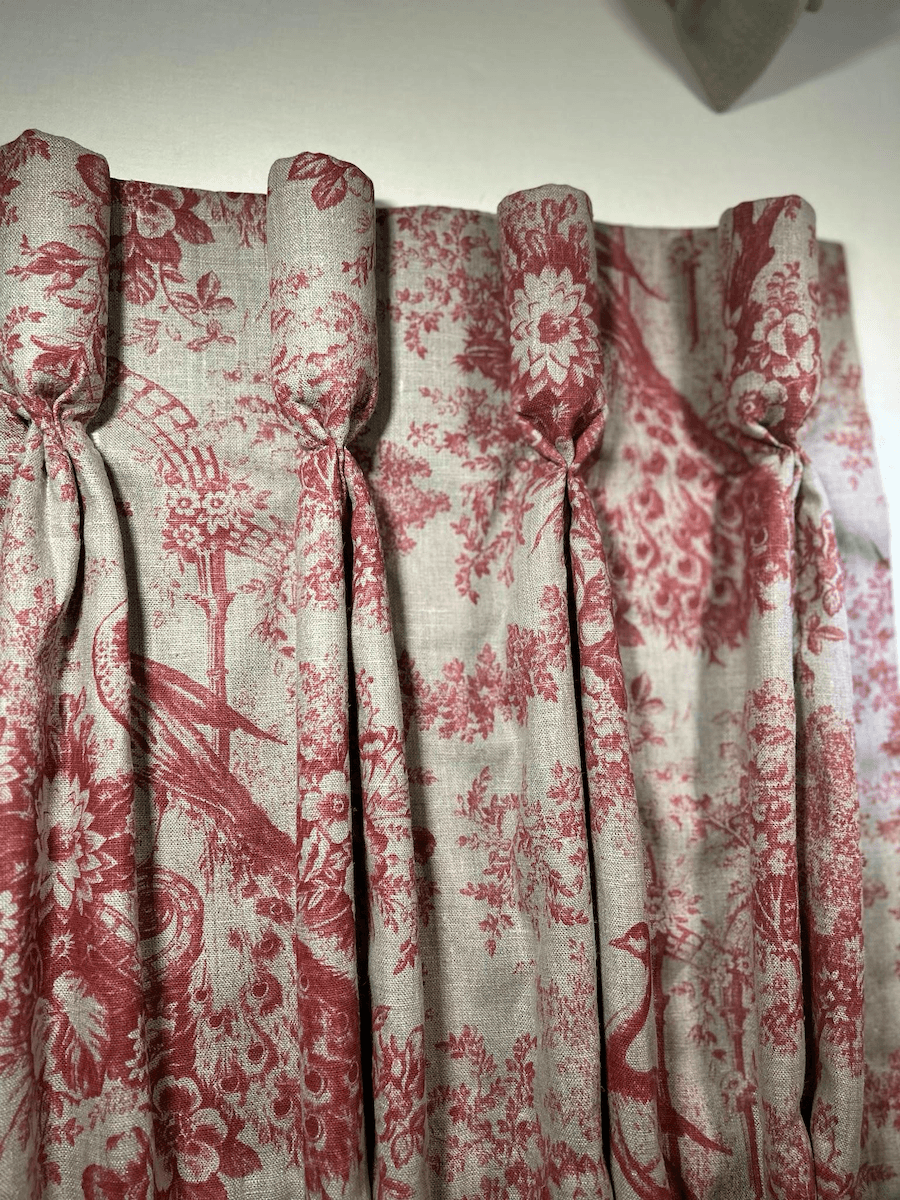
Careful pattern matching, hand-sewn finishes, interlining and individually constructed headings all contribute to the appearance, weight and lasting quality of bespoke curtains.
Much of this work is almost invisible once a curtain is hanging, yet it can make an enormous difference to the finished result.
“There is something very satisfying about making curtains properly. So much of the work is in the details that people may never notice individually, but together they make all the difference.
“Interlining, for example, can give a curtain a beautiful softness and fullness, while careful hand finishing allows the fabric to hang naturally. I love the way traditional techniques can create something that feels both elegant and substantial.”
For period properties, these methods can offer practical benefits too. Heavier, carefully constructed curtains can help reduce draughts and improve comfort, particularly around older windows, while thoughtful proportions and carefully chosen fabrics can soften architectural features without concealing their character.
Made with care, made to last
Perhaps one of the most rewarding reminders of the value of traditional craftsmanship has come from a former client, who recently commented that curtains Roxanne made approximately 30 years ago still look as beautiful today.
“Stunning and dateless fabric just like the hall curtains you made for me 30 years ago! Still looking just as good!”
It is a particularly meaningful testament to the longevity of carefully constructed furnishings, and one that reflects the principles on which Cloth & Elm is being established.
For Roxanne, making something beautiful is about more than the immediate finished appearance. It is about creating furnishings that will continue to be appreciated and enjoyed for years to come.
In a world of changing trends and disposable interiors, she believes there remains a place for considered design, skilled workmanship and pieces made specifically for the homes they will inhabit.
A new chapter in Castle Eaton
With a dedicated new workroom taking shape in the village of Castle Eaton, Roxanne is looking forward to welcoming a new chapter in her professional life.
Cloth & Elm specialises in bespoke hand-sewn curtains, Roman blinds, pelmets, cushions and coordinating soft furnishings, offering a personal service to homeowners and interior designers across the Cotswolds, Wiltshire and Hampshire.
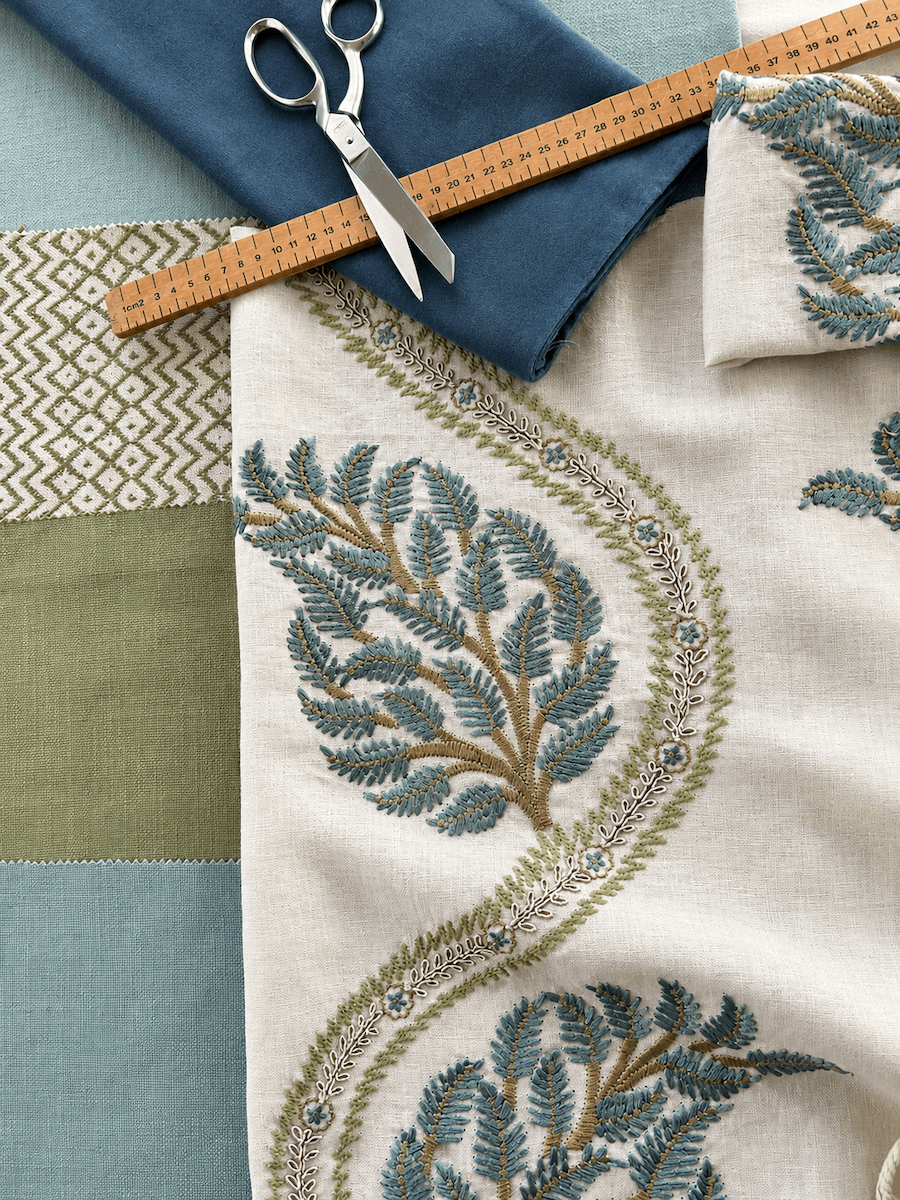
From an initial home consultation and careful measuring to discussing fabrics, headings, linings and the finer details of construction, Roxanne works directly with each client, bringing both technical knowledge and a personal understanding of their requirements.
It is this individual relationship that she particularly values.
“I love working with people to understand what they want to achieve in their homes. Sometimes they have a very clear idea; sometimes they just know how they want the room to feel. Being able to take those ideas and turn them into something beautifully made is a real pleasure.”
And although Cloth & Elm represents an exciting new beginning, it is also a continuation of something much older.
The careful stitches learned as a child, the appreciation of beautiful furniture and historic interiors passed on by her parents, and the professional skills developed over the years have all found their place in the new studio.
For Roxanne, the philosophy remains a simple one: beautiful fabrics, traditional craftsmanship and thoughtful, personal work, made to complement the character of a home and the individuality of those who live there.
An Expert’s View: The Art of Dressing a Period Window
Five considerations for creating beautiful, comfortable interiors in older homes, from Cloth & Elm founder Roxanne.
1. Work with the character of the building
Period windows are rarely uniform, and their proportions and architectural details deserve careful consideration. Rather than automatically choosing a standard treatment, think about the depth of the reveal, the positioning of the window and the overall proportions of the room.
Sometimes the most elegant solution is the one that allows the original architecture to remain the focus.
2. Don’t underestimate the benefits of interlining
Interlining adds an additional layer between the face fabric and lining, creating a fuller, softer appearance and giving curtains a luxurious weight and drape.
In older properties, it can also provide a degree of additional insulation, helping rooms feel more comfortable during colder months.
3. Consider the return of the pelmet
Often overlooked in contemporary interiors, a beautifully proportioned pelmet can be a particularly effective addition to a period room.
Whether upholstered in a coordinating fabric or designed to complement the architectural details, pelmets can provide an elegant finish, conceal curtain fittings and help reduce the movement of cold air behind curtains.
4. Protect precious interiors from sunlight
Natural light is one of the great pleasures of a beautiful home, but prolonged exposure to sunlight can fade fabrics, furniture and treasured antiques.
Discreet UV-filtering blinds, suitable linings and thoughtfully layered window treatments can help reduce exposure while allowing rooms to retain their natural light and character.
5. Invest in the details you cannot always see
Beautiful curtains are not simply about choosing a lovely fabric.
Careful pattern placement and matching, carefully considered fullness, hand-sewn weights, appropriate linings and traditional hand finishing all contribute to how a curtain hangs, moves and wears over time.
These often unseen details are what distinguish truly bespoke work and help create furnishings that will remain beautiful for years to come.